
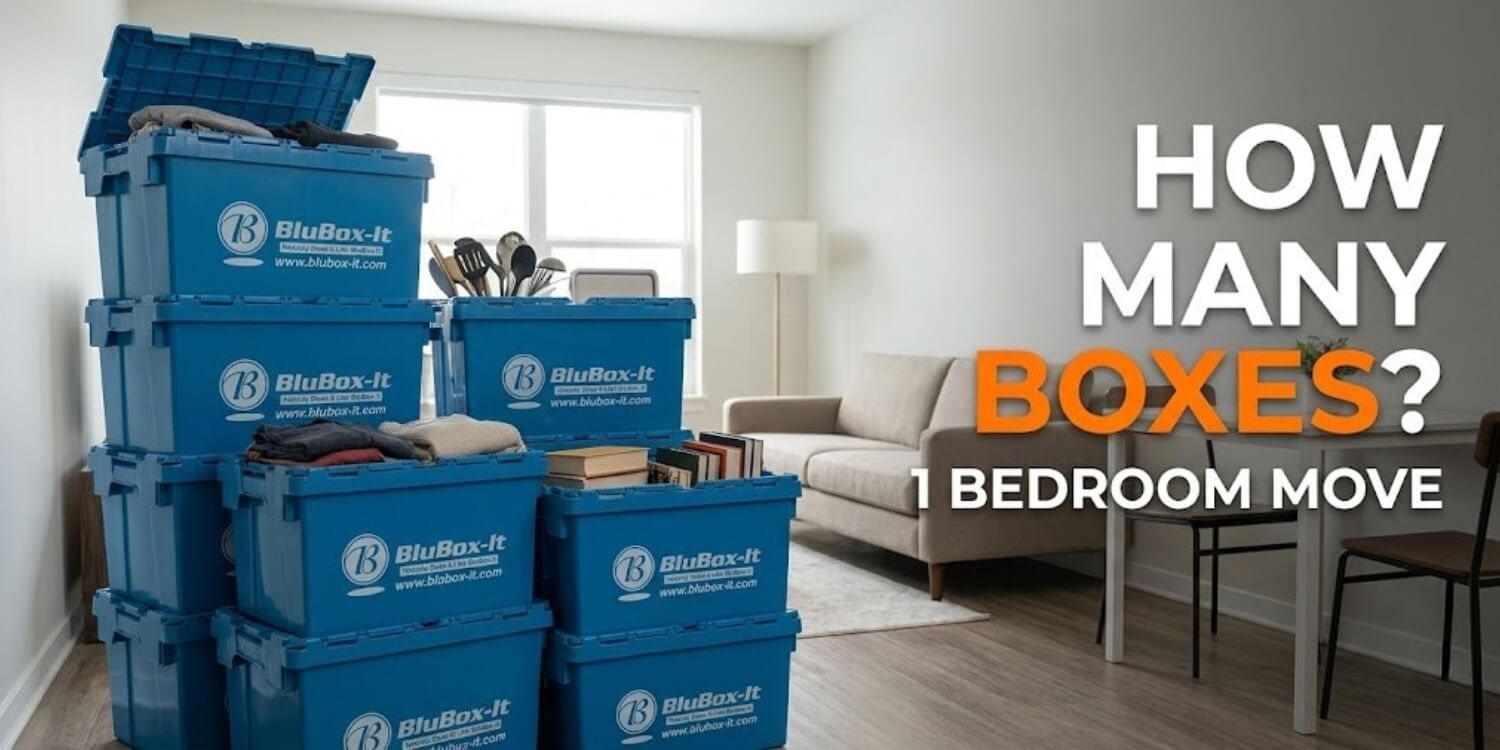
Moving into a new place always feels like a fresh chapter, but the packing part can get stressful faster than expected. One of the first things people struggle with is figuring out how many boxes they actually need. Get too few, and you’ll be scrambling at the last minute. Get too many, and you’re left with wasted space and money.
For a typical one-bedroom apartment, most people end up needing around 30 moving boxes. The exact number depends on how much you own, how organized you are, and whether you’ve taken the time to declutter before packing. Having a clear idea early on makes everything else easier—from budgeting to planning your packing timeline.
In this guide, we’ll walk through how many boxes you’ll likely need, the different types available, and how to pack everything without turning your move into chaos.
Average Number of Boxes for a 1-Bedroom Apartment
A one-bedroom apartment usually requires about 25 boxes on average. But that number isn’t fixed. It can shift based on your lifestyle and how much stuff you’ve accumulated over time.
Here’s a simple breakdown to help you estimate:
- Small Boxes (books, kitchenware): 6–10
- Medium Boxes (clothes, decorations): 5–8
- Large Boxes (bedding, pillows): 3–5
- Wardrobe Boxes (hanging clothes): 1–2
- Specialty Boxes (TVs, mirrors, dishes): 1–3
If you live minimally, you might need fewer. If you’ve been in your place for years, chances are you’ll need more than expected.
A good approach is to slightly overestimate. Running out of boxes mid-pack is far more frustrating than having a couple left over.
Choosing the Right Types of Moving Boxes
Not all boxes are the same and choosing the right type can make a noticeable difference in how smooth your move feels.
Standard Cardboard Boxes
Cardboard boxes are the most common option. They’re easy to find and come in different sizes, which makes packing more flexible.
However, they do have some downsides. They can weaken under heavy weight, don’t handle moisture well, and often require tape to stay secure. For a short, simple move, they work fine. But for anything more demanding, they may not hold up as well.
Plastic Moving Bins
Renting plastic moving bins are becoming more popular, especially for people who want a more reliable option. They’re sturdy, reusable, and don’t require assembly. You can stack them easily without worrying about them collapsing.
They also offer better protection against moisture, which is useful if your move involves any exposure to weather or storage.
While buying plastic bins can be expensive, many people prefer renting them for convenience. It removes the hassle of disposing of boxes after the move.
How to Pack a 1-Bedroom Apartment
Packing isn’t just about putting things into boxes. A little planning here can save you a lot of time and frustration later.
Start with Decluttering
Before you even think about packing, go through your belongings and decide what actually needs to come with you.
Ask yourself:
- Do I still use this?
- Is it worth moving?
- Will it fit in my new space?
Creating three simple groups—keep, donate, and discard—can reduce the number of boxes you need and make unpacking much easier.
Pack Room by Room
Packing everything randomly might seem faster, but it usually creates problems later. A room-by-room approach keeps things organized and easier to unpack.
Kitchen
The kitchen usually takes the most effort because of fragile items. Wrap glassware, plates, and utensils carefully. Use smaller boxes for heavier items to avoid overloading.
Living Room
Electronics and decor need extra care. Use padding for screens and wrap delicate items individually. Books should go into small boxes to keep weight manageable.
Bedroom
Clothes can be packed in suitcases or boxes, but wardrobe boxes make things easier for hanging items. Keep bulky bedding for last so it doesn’t take up space too early.
Bathroom
Pack toiletries in sealed bags to prevent leaks. This is also a good time to throw away expired or unused products that you don’t want to carry to your new place.
Labeling Makes a Big Difference
Once everything is packed, labeling becomes your best friend. Without it, every box starts to look the same.
Write down:
- The room the box belongs to
- A short list of contents
Label boxes on multiple sides so you can identify them no matter how they’re stacked. You can also use color coding for each room to make things even easier during unloading.
Where to Get Moving Boxes
There are three main ways people usually get moving boxes, and each has its pros and cons.
Free Boxes
If you’re trying to save money, free boxes are a good option. Grocery stores, local shops, and online marketplaces often have boxes available.
Just make sure to check their condition. Weak or damaged boxes can cause more trouble than they’re worth.
Buying New Boxes
New boxes are strong, clean, and reliable. You can find them at home improvement stores or moving supply shops.
The downside is cost. Buying a full set of boxes can add up quickly, especially if you need multiple sizes.
Renting Moving Boxes
Renting is a middle-ground option. You get sturdy, reusable boxes without having to store or dispose of them afterward.
It’s a convenient choice for people who want a smoother experience without dealing with the mess of used cardboard.
Cost of Moving a 1-Bedroom Apartment
The cost of moving a one-bedroom apartment can vary quite a bit. For a local move, most people spend somewhere between $300 and $1,500.
Several factors affect the total cost:
- Distance of the move
- Number of movers needed
- Packing supplies
- Extra services like furniture assembly
Planning ahead and reducing unnecessary items can help keep costs under control.
Final Thoughts
Moving doesn’t have to feel overwhelming. Once you figure out how many boxes you need and choose the right packing approach, everything starts to fall into place.
A one-bedroom apartment may seem small, but without proper planning, it can still turn into a stressful experience. Take the time to declutter, pack with a system, and label everything clearly.
In the end, it’s not just about moving your belongings—it’s about making the transition into your new space as smooth as possible.