
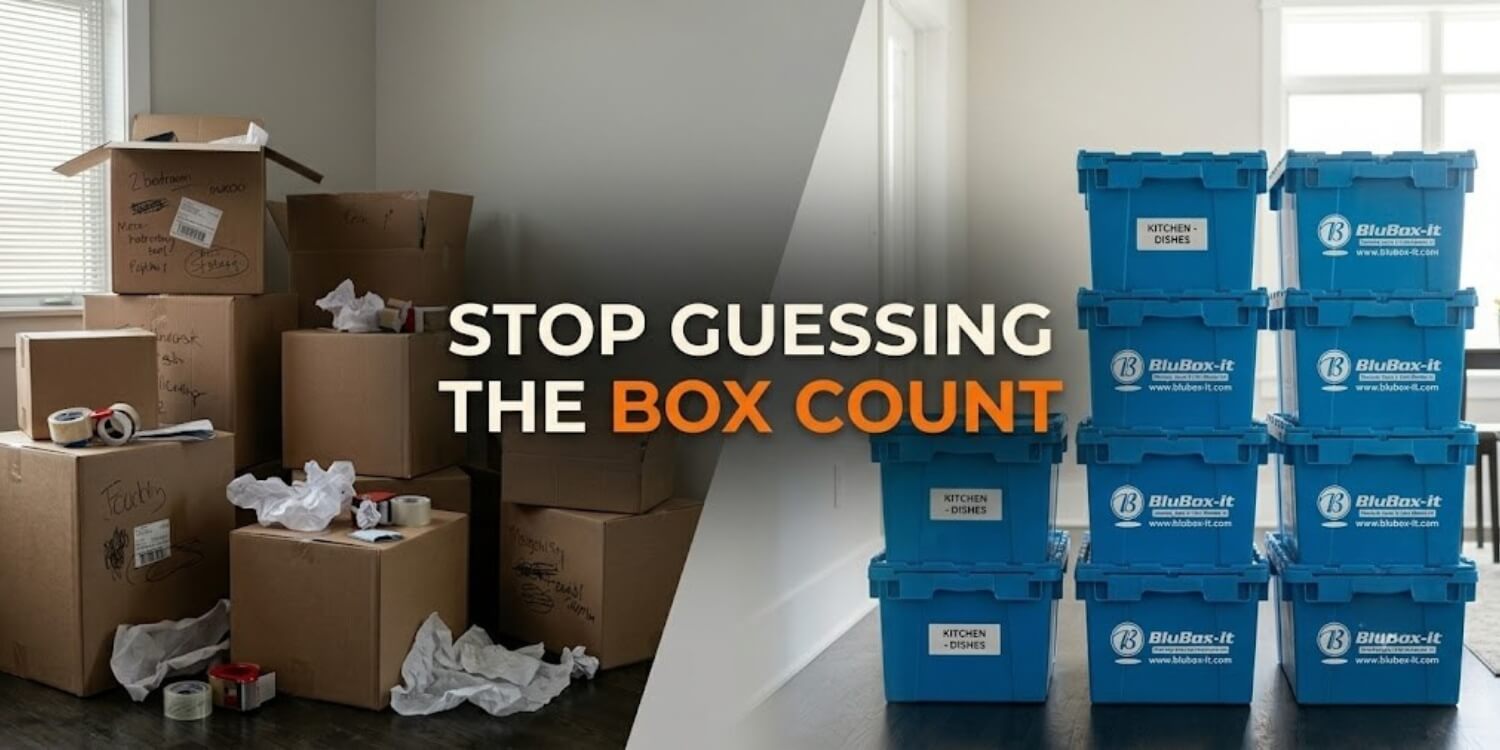
Moving to a new home is exciting but once packing begins, many people realize just how much stuff they actually own. One of the biggest questions during the planning stage is figuring out how many moving boxes will be needed. Having too few can slow down the entire process, while buying too many can lead to unnecessary expenses.
For most 2–3 bedroom homes, you’ll typically need between 50 and 90 moving boxes. The exact number depends on the size of your household, how long you’ve lived there and whether you’ve taken time to sort through your belongings before packing.
Knowing what to expect ahead of time can make packing more organized and help you avoid last-minute stress.
Average Number of Boxes for a 2–3 Bedroom Home
A larger home naturally requires more packing supplies because there are more rooms, furniture pieces and personal belongings to move.
As a general estimate, most households need:
- Small Boxes (books, canned goods, tools): 15–25
- Medium Boxes (kitchen items, toys, decorations): 20–30
- Large Boxes (linens, pillows, lightweight items): 10–15
- Wardrobe Boxes (hanging clothes): 2–4
- Specialty Boxes (TVs, mirrors, artwork): 2–6
Families with children often need additional boxes for toys, school supplies and seasonal items. On the other hand, people who regularly declutter may find they need fewer boxes than expected.
It’s usually better to have a few extra boxes available rather than running out halfway through packing.
Choosing the Right Moving Boxes
Not every item should be packed in the same type of box. Choosing the right size and style helps protect your belongings and makes moving day much easier.
Standard Cardboard Boxes
Cardboard boxes remain the most common choice for residential moves. They’re widely available, affordable and come in several sizes to accommodate different items.
Small boxes work best for heavy belongings like books and dishes, while larger boxes are better suited for lighter items such as blankets and pillows.
Although cardboard boxes are convenient, they can weaken if overloaded or exposed to moisture. It’s important to use strong packing tape and avoid making boxes too heavy.
Rent Plastic Moving Bins
Rent Plastic moving bins have become increasingly popular for larger moves. They are durable, stack easily and provide better protection than standard cardboard boxes.
Because they don’t require assembly, packing can move faster. They also reduce the risk of boxes collapsing during transportation.
Buying plastic bins can be costly but many moving companies and rental services offer them as a temporary solution, making them a practical option for bigger moves.
How to Pack a 2–3 Bedroom Home
Packing an entire home can feel overwhelming if you try to tackle everything at once. Breaking the process into smaller steps makes it much more manageable.
Start by Decluttering
Before packing anything, spend some time sorting through your belongings.
Ask yourself:
- Have I used this recently?
- Do I actually need it in my new home?
- Is it worth the effort of moving?
Creating separate piles for items to keep, donate, sell or discard can significantly reduce the number of boxes you’ll need.
Moving fewer items also means less unpacking once you arrive.
Pack One Room at a Time
Trying to pack multiple rooms at once often leads to confusion. Working room by room keeps everything organized and makes unpacking much easier later.
Kitchen
The kitchen is usually one of the most time-consuming rooms to pack because of breakable items.
Wrap dishes, glassware and small appliances carefully. Use smaller boxes for heavier items and avoid leaving empty spaces that allow things to shift during transport.
Living Room
Electronics, books, lamps and decorative pieces all require different packing methods.
Televisions and monitors should be protected with padding, while books should be packed in smaller boxes to prevent excessive weight.
Bedrooms
Bedrooms often contain more items than people expect. Clothing, shoes, bedding and personal belongings can quickly fill multiple boxes.
Wardrobe boxes make it easy to move hanging clothes without folding everything. Bedding and pillows can be packed toward the end since they’re usually needed until moving day.
Bathrooms
Bathrooms are typically quick to pack, but it’s a good opportunity to get rid of expired products, empty containers, and items you no longer use.
Place liquids in sealed bags to help prevent leaks during the move.
Label Every Box Clearly
Labeling might seem like a small detail, but it can save a lot of time once you arrive at your new home.
Each box should include:
- The room it belongs in
- A brief description of the contents
- Any special handling instructions
Writing labels on multiple sides makes them easier to identify when boxes are stacked together.
Some people also use colored stickers or markers to separate rooms, making unloading much faster.
Where to Find Moving Boxes
There are several ways to get moving boxes depending on your budget and preferences.
Free Boxes
Many local businesses receive shipments regularly and often have boxes available for free.
Grocery stores, bookstores, liquor stores, and community marketplaces can be good places to look.
Before using free boxes, check that they are clean and sturdy enough to handle the weight of your belongings.
Buying New Boxes
New boxes provide consistency and reliability. They’re designed specifically for moving and are available in a variety of sizes.
While they cost more than used boxes, they often offer better protection and reduce the risk of damage during transportation.
Renting Moving Boxes
Renting reusable moving bins has become a popular alternative for larger households.
The bins are delivered ready to use and collected after the move, eliminating the need to break down or dispose of boxes afterward.
Many people appreciate the convenience, especially during busy moves.
Cost of Moving a 2–3 Bedroom Home
The cost of moving a 2–3 bedroom home can vary depending on distance, location, and the services you choose.
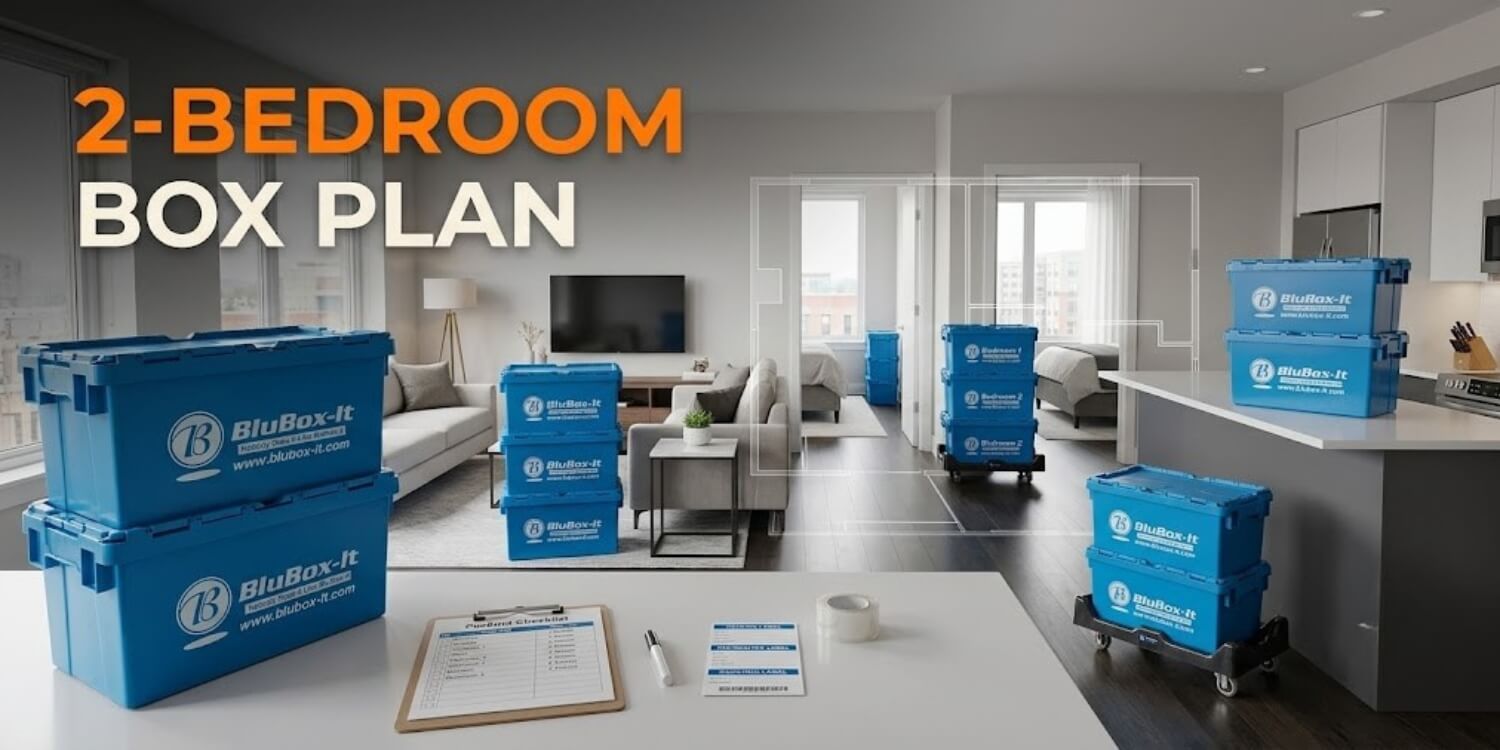
For a local move, many households spend between $800 and $3,000. Long-distance moves can cost considerably more depending on the mileage and amount of belongings being transported.
Factors that affect moving costs include:
- Distance between locations
- Volume of belongings
- Number of movers required
- Packing supplies
- Additional services such as packing or storage
Reducing clutter before moving can help lower costs by decreasing the amount of items that need to be transported.
Final Thoughts
Packing a 2–3 bedroom home requires more planning than many people expect, but having the right number of boxes makes the process much easier.
Most households need somewhere between 50 and 90 boxes, along with a clear packing strategy. Taking time to declutter, pack room by room, and label everything properly can prevent a lot of unnecessary stress.
A successful move isn’t just about getting your belongings from one place to another. It’s about staying organized throughout the process so you can settle into your new home with less hassle and more peace of mind.